Protecting Your Credit Card Online in 2026: 5 Essential Practices
Anúncios
In 2026, safeguarding your credit card information online is paramount due to evolving cyber threats. Implementing strong passwords, using secure networks, monitoring accounts, enabling two-factor authentication, and being wary of phishing are essential practices.
Anúncios
As the digital landscape evolves, so do the methods employed by cybercriminals. In 2026, understanding and implementing robust security measures is no longer optional but a critical necessity for every online consumer. This article will delve into protecting your credit card information online in 2026: 5 essential practices that will help you navigate the complexities of digital transactions with confidence.
Anúncios
Understanding the evolving threat landscape in 2026
The year 2026 presents a unique set of challenges in cybersecurity. With advancements in artificial intelligence and quantum computing, cybercriminals are employing more sophisticated tactics to breach personal financial data. These evolving threats necessitate a proactive and informed approach to safeguarding your credit card information.
Traditional security measures, while still relevant, are often insufficient against the advanced phishing schemes, malware, and data breaches that characterize today’s digital environment. Consumers must be aware of these new risks and adapt their online behaviors accordingly to maintain financial security.
AI-powered phishing and social engineering
One of the most significant threats in 2026 comes from AI-powered phishing attacks. These attacks are increasingly personalized and difficult to distinguish from legitimate communications, making them highly effective. Cybercriminals leverage AI to craft convincing emails, messages, and even voice calls that trick individuals into revealing sensitive credit card details.
- Personalized attacks: AI can analyze public data to create highly targeted messages.
- Deepfake technology: Voice and video deepfakes are used to impersonate trusted entities.
- Automated campaigns: AI automates the distribution of these sophisticated scams.
Understanding these new forms of deception is the first step in building a strong defense. Always verify the sender and the legitimacy of any request for personal or financial information, regardless of how convincing it appears.
Data breaches and third-party vulnerabilities
Another persistent threat is data breaches, often occurring through vulnerabilities in third-party services or companies you interact with online. Even if your personal security is strong, a weak link in a vendor’s system can expose your credit card information. This highlights the importance of choosing reputable online retailers and services.
The complexity of interconnected digital services means that a breach in one system can have a ripple effect, compromising data across multiple platforms. Regular monitoring of your financial statements and credit reports becomes crucial in detecting unauthorized activity promptly.
In conclusion, the 2026 threat landscape demands vigilance and continuous education. By understanding the sophisticated nature of AI-driven attacks and the risks associated with third-party vulnerabilities, you can better prepare yourself to protect your credit card information online.
Practice 1: Employ strong, unique passwords and a password manager
The foundation of all online security begins with robust password practices. In 2026, relying on easily guessable or reused passwords is an open invitation for cybercriminals. Strong, unique passwords for every online account are non-negotiable for protecting your credit card information.
Creating and remembering complex passwords for dozens of different sites can be daunting. This is where a reliable password manager becomes an indispensable tool, streamlining your security efforts without compromising effectiveness.
The power of unique and complex passwords
A strong password typically includes a combination of uppercase and lowercase letters, numbers, and special characters. It should also be of significant length, ideally 12 characters or more. The most critical aspect, however, is uniqueness. Using the same password across multiple sites means that if one site is compromised, all your other accounts become vulnerable.
Consider passwords as the first line of defense for your digital identity. Each account should have its own impenetrable barrier. While this might seem like a lot to manage, technology has provided elegant solutions to this common challenge.
Leveraging a reputable password manager
A password manager is a secure application that stores all your login credentials in an encrypted vault, accessible only by a single master password. It can also generate highly complex, random passwords for you, ensuring maximum security without the burden of memorization.
- Automatic generation: Creates strong, unique passwords for every new account.
- Secure storage: Encrypts all your login information, protecting it from prying eyes.
- Autofill convenience: Automatically fills in login details, saving time and preventing typos.
- Cross-device synchronization: Access your passwords securely from any device.
When selecting a password manager, look for one with a strong reputation for security, end-to-end encryption, and a clear privacy policy. Popular options often offer free tiers with essential features, making advanced security accessible to everyone.
In summary, strong, unique passwords are your first line of defense. By combining them with a reputable password manager, you establish a formidable barrier against unauthorized access to your credit card information, significantly enhancing your online security posture in 2026.
Practice 2: Utilize secure networks and VPNs for online transactions
The network you use to conduct online transactions plays a crucial role in safeguarding your credit card information. Public Wi-Fi networks, while convenient, are often unsecured and present significant risks. In 2026, prioritizing secure network connections and employing Virtual Private Networks (VPNs) is more important than ever.
Understanding the vulnerabilities of different network types and taking proactive steps to encrypt your internet traffic can prevent sophisticated eavesdropping and data interception attempts by cybercriminals.
The dangers of public Wi-Fi
Public Wi-Fi networks, found in coffee shops, airports, and hotels, are notorious for their lack of security. Data transmitted over these networks is often unencrypted, making it easy for malicious actors to intercept your credit card details, login credentials, and other sensitive information. This is often referred to as a ‘man-in-the-middle’ attack.
Even if a public Wi-Fi network requires a password, it doesn’t guarantee encryption of your data. Many public networks are designed for ease of access, not security, making them fertile ground for cyberattacks. Avoid making any financial transactions or accessing sensitive accounts when connected to an unsecured public network.
The protective shield of a VPN
A Virtual Private Network (VPN) creates a secure, encrypted connection over a less secure network, like public Wi-Fi. When you activate a VPN, your internet traffic is routed through an encrypted tunnel, making it virtually impossible for anyone to intercept and read your data. This is an essential tool for anyone conducting online transactions on the go.
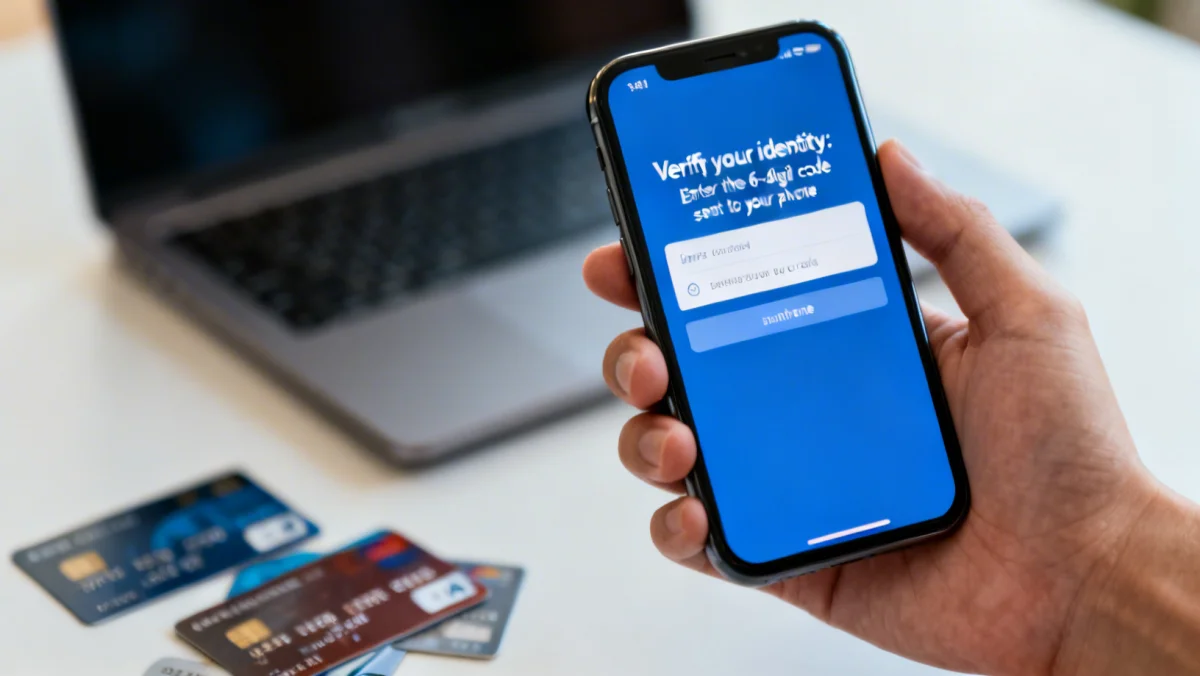
Using a VPN ensures that your credit card information, along with all other personal data, remains private and protected from unauthorized access. It adds an extra layer of security that is particularly vital in an increasingly connected world where public networks are commonplace.
- Data encryption: Encrypts all your internet traffic, preventing eavesdropping.
- IP address masking: Hides your actual IP address, enhancing anonymity.
- Secure connection: Creates a private connection even on public networks.
- Geo-unblocking: Access content from different regions securely.
When choosing a VPN service, prioritize providers with a strict no-logs policy, strong encryption protocols, and a good reputation. While free VPNs exist, paid services generally offer better security, speed, and reliability. By consistently using secure networks and a VPN, you significantly reduce the risk of your credit card information being compromised during online transactions.
Practice 3: Regularly monitor your credit card statements and reports
Even with the most stringent security measures in place, the possibility of unauthorized activity on your credit card accounts always exists. In 2026, regular and diligent monitoring of your credit card statements and credit reports is an indispensable practice for early detection and mitigation of fraud.
Proactive monitoring allows you to identify suspicious transactions or new accounts opened in your name before they escalate into significant financial damage. This vigilance forms a critical part of a comprehensive credit card protection strategy.
Frequent review of transaction history
Make it a habit to review your credit card statements frequently, ideally weekly or even daily, through your bank’s online portal or mobile app. Look for any charges that you don’t recognize, even small ones. Fraudsters often test stolen card numbers with small purchases before attempting larger ones.
Many banks offer notification services that alert you to transactions above a certain amount, or for international purchases. Enroll in these services to receive real-time updates and quickly identify any unusual activity. The sooner you detect fraud, the easier it is to resolve and prevent further issues.
Checking your credit report for anomalies
Beyond transaction statements, regularly checking your credit report is equally vital. Your credit report provides a comprehensive overview of all credit accounts opened in your name, payment history, and inquiries. Federal law entitles you to a free credit report from each of the three major credit bureaus (Equifax, Experian, and TransUnion) once every 12 months via AnnualCreditReport.com.
When reviewing your credit report, pay close attention to:
- Accounts you didn’t open: This is a clear red flag for identity theft.
- Incorrect personal information: Ensure your name, address, and employer are correct.
- Inquiries you don’t recognize: Hard inquiries from lenders you didn’t apply to can indicate fraud.
- Unusual payment history: Discrepancies could signal unauthorized use of your accounts.
If you find any inaccuracies or suspicious activity, report it immediately to the credit bureau, your credit card issuer, and potentially law enforcement. Acting quickly can protect your credit score and prevent long-term financial repercussions.
In conclusion, regular monitoring of your credit card statements and credit reports acts as your personal fraud detection system. This proactive approach ensures that you are the first to know about any unauthorized use of your credit card information, allowing for swift action and protection.
Practice 4: Enable two-factor authentication (2FA) everywhere possible
In the evolving landscape of online security in 2026, passwords alone are often insufficient to protect your credit card information. Two-factor authentication (2FA), also known as multi-factor authentication (MFA), adds a crucial layer of security by requiring a second form of verification beyond just a password. This makes it significantly harder for unauthorized individuals to access your accounts.
Even if a cybercriminal manages to steal your password, they won’t be able to log in without this second piece of information, which is typically something you have (like your phone) or something you are (like a fingerprint).
How 2FA strengthens your account security
Two-factor authentication works by combining two different authentication factors. These usually fall into three categories:
- Something you know: Your password.
- Something you have: A physical token, a smartphone receiving a code, or a hardware security key.
- Something you are: Biometric data, such as a fingerprint or facial scan.
When you enable 2FA, after entering your password, the system will prompt you for this second factor. For instance, it might send a unique code to your registered phone number, ask you to approve a login attempt via an authenticator app, or require a fingerprint scan. This extra step acts as a powerful deterrent against account takeovers.
Implementing 2FA across your digital footprint
It is crucial to enable 2FA on all online accounts that offer it, especially those linked to financial services, email, and social media. Your email account, in particular, is often the gateway to resetting passwords for other services, making its security paramount.
Consider using an authenticator app (like Google Authenticator or Authy) for generating time-based one-time passwords (TOTPs). These apps are generally more secure than SMS-based codes, which can be vulnerable to SIM-swapping attacks. For the highest level of security, hardware security keys (like YubiKey) offer robust protection against phishing and account compromise.
The slight inconvenience of the extra step in logging in is a small price to pay for the significantly enhanced security it provides. In 2026, 2FA is no longer an advanced feature for tech enthusiasts; it’s a fundamental requirement for anyone serious about protecting their credit card information online.
In essence, enabling two-factor authentication across your digital footprint creates a robust defense against unauthorized access. It ensures that even if your password is stolen, your credit card information and other sensitive data remain secure, making it an indispensable practice for online safety.
Practice 5: Be vigilant against phishing and social engineering scams
Despite all technological safeguards, human error remains one of the weakest links in cybersecurity. In 2026, cybercriminals are increasingly sophisticated in their use of phishing and social engineering tactics to trick individuals into voluntarily divulging their credit card information. Vigilance and a healthy dose of skepticism are your best defenses.
These scams often exploit human psychology, leveraging urgency, fear, or curiosity to manipulate victims. Recognizing the signs of these attacks is paramount to avoiding becoming a victim and protecting your financial data.
Identifying common phishing tactics
Phishing attempts can come in various forms, including emails, text messages (smishing), phone calls (vishing), and even fake websites. They often impersonate legitimate organizations like banks, government agencies, or well-known companies. Key indicators of a phishing attempt include:
- Suspicious sender address: Mismatched email domains or generic addresses.
- Grammatical errors and typos: Professional organizations rarely send messages with poor grammar.
- Urgent or threatening language: Designed to create panic and bypass critical thinking.
- Requests for sensitive information: Legitimate entities rarely ask for passwords or full credit card numbers via email or text.
- Unusual attachments or links: Hover over links to see the actual URL before clicking (do not click if suspicious).
Always pause and scrutinize any communication that asks for personal or financial data. If in doubt, do not click on links or respond. Instead, navigate directly to the official website of the organization or call them using a publicly listed phone number.
Protecting yourself from social engineering
Social engineering goes beyond technical exploits, aiming to manipulate you into performing actions or divulging confidential information. This can involve elaborate schemes where fraudsters build trust over time or create high-pressure situations. They might impersonate tech support, a government official, or even a romantic interest.
The best defense against social engineering is to:
- Verify identity: Always confirm the identity of anyone asking for sensitive information.
- Be skeptical of unsolicited requests: Be wary of unexpected calls, emails, or messages.
- Educate yourself: Stay informed about the latest scam tactics.
- Trust your instincts: If something feels off, it probably is.
Never share your credit card details, PINs, or one-time passcodes with anyone who contacts you unsolicited. Legitimate institutions will never ask for this information in an unsecured manner. By maintaining a high level of vigilance and skepticism, you can effectively thwart attempts to trick you into compromising your credit card information online.
In conclusion, being vigilant against phishing and social engineering scams is a critical human element in your cybersecurity defense. By learning to recognize the signs of these deceptive tactics, you empower yourself to avoid falling victim and ensure the continued protection of your credit card information in 2026.
| Key Practice | Brief Description |
|---|---|
| Strong Passwords & Manager | Use unique, complex passwords for all accounts, managed by a secure password manager. |
| Secure Networks & VPNs | Avoid public Wi-Fi for transactions; use a VPN to encrypt your internet traffic. |
| Regular Account Monitoring | Frequently check credit card statements and credit reports for any unauthorized activity. |
| Enable Two-Factor Authentication | Add an extra layer of security with 2FA on all financial and important online accounts. |
Frequently asked questions about online credit card security
The digital threat landscape in 2026 is highly advanced, with AI-powered phishing and sophisticated malware making cyberattacks more effective. Proactive measures are essential to combat these evolving threats and safeguard your financial information effectively.
Yes, reputable password managers use strong encryption to store your credentials in a secure vault. They eliminate the need to remember complex passwords and help generate unique ones, significantly enhancing your overall online security when chosen carefully.
It’s advisable to check your credit card statements and transaction history at least weekly, or even daily via online banking apps. Early detection of unauthorized charges is crucial for minimizing potential damage and resolving issues quickly.
While all 2FA is beneficial, authenticator apps generating time-based one-time passwords (TOTPs) are generally more secure than SMS codes. Hardware security keys offer the highest level of protection against phishing and account takeovers. Use the strongest option available.
Do not click on any links, open attachments, or respond to suspicious communications. Instead, directly navigate to the official website of the organization in question or contact them via a verified phone number to confirm the legitimacy of the message.
Conclusion
Protecting your credit card information online in 2026: 5 essential practices is not just about adopting new technologies, but also about cultivating a mindset of continuous vigilance and informed decision-making. By embracing strong password management, securing your network connections with VPNs, diligently monitoring your accounts, enabling two-factor authentication, and remaining skeptical of phishing attempts, you build a robust defense against the evolving threats of the digital world. These practices, when consistently applied, empower you to engage in online commerce with confidence, ensuring your financial security remains paramount in the years to come.
