Precious Metals in 2026 Portfolios: Safe Haven Analysis
Anúncios
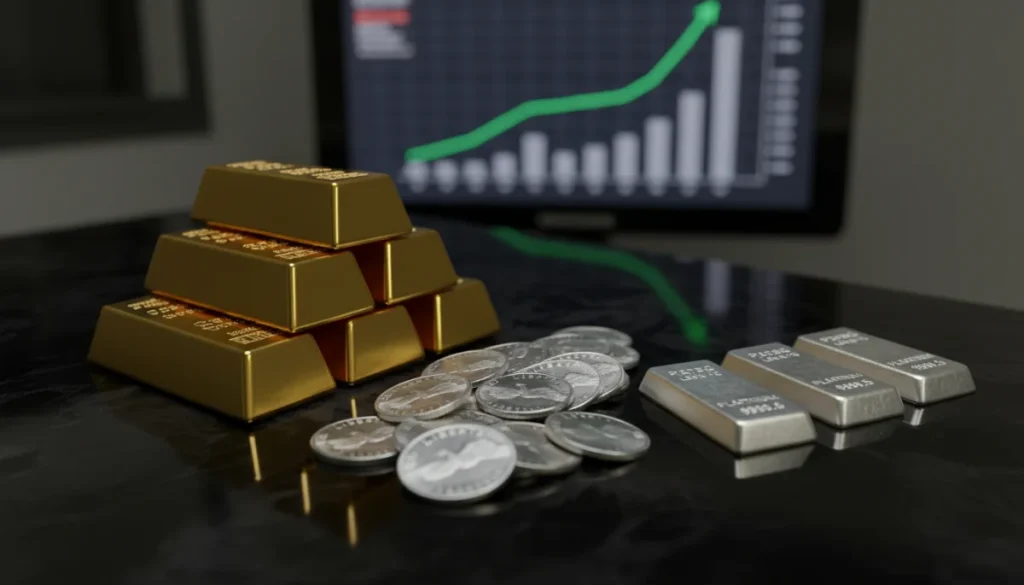
Precious metals are critical for a 2026 investment portfolio, offering a robust safe haven against inflation, economic uncertainty, and geopolitical risks, enhancing long-term stability.
Anúncios
Navigating the complexities of the modern financial landscape requires a strategic approach. Understanding the role of precious metals in a 2026 investment portfolio: a safe haven analysis is more crucial than ever, as investors seek stability amidst global economic shifts and market volatility. How can these timeless assets fortify your financial future?
Anúncios
Understanding the allure of precious metals as a safe haven
Precious metals have historically served as a reliable sanctuary during times of economic turmoil. Their intrinsic value, coupled with their limited supply, makes them particularly attractive when traditional assets face headwinds. In 2026, with evolving geopolitical landscapes and potential inflationary pressures, the appeal of these tangible assets remains strong.
Investors often turn to precious metals like gold, silver, platinum, and palladium not just for capital appreciation, but primarily for their ability to preserve wealth. This characteristic is what defines their role as a ‘safe haven’ asset, offering a hedge against currency devaluation and market downturns. Their low correlation with conventional stocks and bonds makes them an excellent diversification tool.
Historical performance in turbulent times
Throughout history, precious metals have consistently demonstrated their resilience. During periods of high inflation or economic recession, their value tends to either hold steady or even appreciate, contrasting sharply with the performance of paper assets. This track record instills confidence in investors looking for stability.
- 1970s Oil Crisis: Gold prices surged as inflation soared and geopolitical tensions mounted.
- 2008 Financial Crisis: Gold saw significant gains as investors fled risky assets.
- Early 2020 Pandemic: Gold and silver experienced substantial price increases due to global uncertainty.
These examples underscore the consistent behavior of precious metals as a counter-cyclical asset. Their ability to perform independently of other market segments provides a crucial buffer for diversified portfolios. Understanding these historical patterns helps contextualize their potential role in future economic scenarios.
In conclusion, the enduring appeal of precious metals as a safe haven is rooted in their historical performance and inherent characteristics. As we look towards 2026, these assets continue to offer a compelling proposition for investors seeking to protect and grow their wealth in an uncertain world.
Gold: The quintessential safe haven asset in 2026
Gold has long been synonymous with wealth preservation and stability. Its prominence in the role of precious metals in a 2026 investment portfolio: a safe haven analysis is undeniable, often being the first metal investors consider during economic uncertainty. But what makes gold uniquely suited for this role in the coming years?
Beyond its aesthetic appeal, gold’s value is deeply embedded in its global acceptance as a store of value. Central banks worldwide hold significant gold reserves, reinforcing its credibility and stability. This institutional demand, combined with retail investment, creates a robust market that can withstand considerable pressure.
Factors influencing gold’s appeal in 2026
Several factors are likely to bolster gold’s position as a safe haven in 2026. Ongoing geopolitical tensions, potential inflationary pressures from global stimulus measures, and continued volatility in equity markets all contribute to an environment where gold thrives. Its status as a hedge against currency debasement also remains a powerful draw.
- Inflationary Hedge: Gold typically performs well when inflation erodes the purchasing power of fiat currencies.
- Geopolitical Risk: During international conflicts or political instability, gold often sees increased demand.
- Dollar Weakness: A weaker U.S. dollar generally makes gold more affordable for international buyers, boosting its price.
These elements collectively create a strong case for including gold in a 2026 portfolio. Its ability to act as an insurance policy against unforeseen economic events is a key differentiator. Investors looking for long-term stability and protection against systemic risks will find gold to be an invaluable component.
Ultimately, gold’s historical reliability and its response to modern economic challenges solidify its status as the quintessential safe haven. For a 2026 investment portfolio, gold represents a foundational asset for those prioritizing capital preservation and stability.
Silver: The dual appeal of industrial demand and investment
While gold often takes the spotlight, silver also plays a significant part in the role of precious metals in a 2026 investment portfolio: a safe haven analysis. Silver offers a unique blend of investment appeal and industrial utility, making its price dynamics somewhat different from gold’s, yet equally compelling for diversified portfolios.
Silver is not only a monetary metal but also an essential industrial commodity. It is used extensively in electronics, solar panels, medical applications, and various other high-tech industries. This dual demand profile means that silver’s price can be influenced by both investment sentiment and global economic growth, offering a different risk-reward dynamic.
Industrial applications driving demand
The increasing global emphasis on renewable energy and technological advancement is a major catalyst for silver demand. As countries continue to invest in solar power infrastructure and electric vehicles, the demand for silver is expected to remain robust. This industrial consumption provides a floor for silver prices, even during periods of weaker investment demand.
- Solar Energy: Silver is a crucial component in photovoltaic cells, essential for solar panels.
- Electronics: Its high conductivity makes it indispensable in various electronic devices and circuits.
- Medical Sector: Silver’s antimicrobial properties are utilized in medical instruments and dressings.
These diverse applications mean that silver’s value is less solely dependent on investor fear and more on tangible economic activity. This characteristic can offer a different kind of stability to a portfolio, benefiting from both defensive and growth-oriented market conditions. Its relative affordability compared to gold also makes it accessible to a broader range of investors.
In summary, silver’s dual role as an investment metal and an industrial commodity provides a unique value proposition. For a 2026 investment portfolio, silver can offer diversification benefits, hedging against inflation while also participating in economic growth driven by technological advancements.
Platinum and palladium: The industrial precious metals
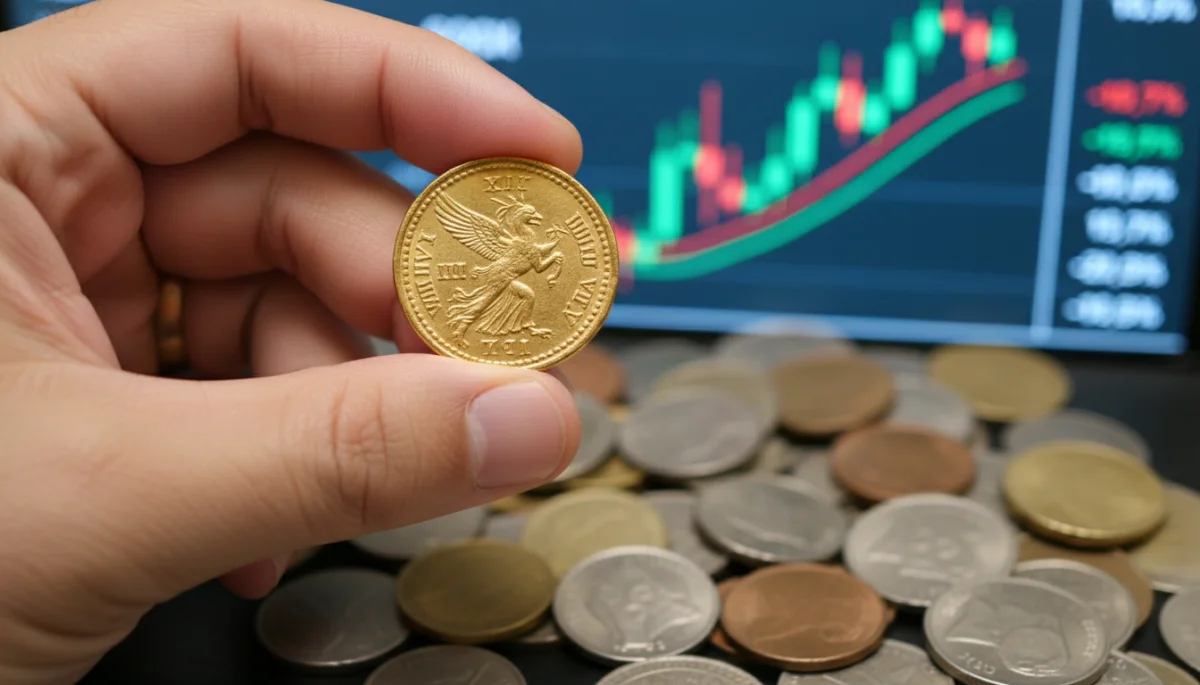
Beyond gold and silver, platinum and palladium hold a distinct, yet equally important, position in the role of precious metals in a 2026 investment portfolio: a safe haven analysis. These metals are primarily known for their significant industrial applications, particularly in the automotive sector, which profoundly influences their market dynamics.
Platinum and palladium belong to the platinum group metals (PGMs) and are highly valued for their catalytic properties. While they do retain some safe haven characteristics, their prices are often more sensitive to industrial demand and economic cycles. Understanding this distinction is key to incorporating them effectively into a portfolio.
Automotive industry and clean energy technologies
The primary driver for both platinum and palladium demand is their use in catalytic converters, which reduce harmful emissions from internal combustion engines. Palladium has historically been favored for gasoline engines, while platinum is more common in diesel engines. However, shifts in automotive technology and environmental regulations are constantly reshaping this landscape.
- Palladium: High demand from gasoline vehicle catalytic converters; supply often constrained by geopolitical factors.
- Platinum: Growing interest in hydrogen fuel cells and electric vehicle components, alongside traditional diesel catalytic converters.
As the world transitions towards cleaner energy and electric vehicles, the roles of platinum and palladium are evolving. Platinum, in particular, is gaining attention for its potential in the burgeoning hydrogen economy, including fuel cells and electrolyzers. This emerging demand could provide new avenues for growth and stability for platinum in the coming years.
Supply constraints and geopolitical influence
Both platinum and palladium are primarily sourced from a few concentrated geographic regions, particularly South Africa and Russia. This concentration makes their supply chains vulnerable to geopolitical events, labor disputes, and mining challenges, which can lead to significant price volatility. Investors must consider these supply-side risks when allocating capital.
In conclusion, platinum and palladium offer a unique dimension to a precious metals portfolio. Their strong ties to industrial demand, especially in the automotive and clean energy sectors, mean their prices are influenced by global economic health and technological innovation. While more volatile than gold, their potential for growth and their role in future technologies make them valuable considerations for 2026.
Diversification benefits of precious metals in a 2026 portfolio
A core tenet of sound investment strategy is diversification. In this context, the role of precious metals in a 2026 investment portfolio: a safe haven analysis highlights their unparalleled ability to enhance portfolio resilience by providing assets that often move independently of traditional equities and bonds. This uncorrelated behavior is a powerful tool for managing risk.
Diversifying with precious metals means spreading investment risk across different asset classes. When one part of your portfolio is underperforming, another might be thriving. Precious metals, particularly gold, tend to act as a counterweight to market downturns, helping to smooth out overall portfolio volatility and protect capital.
Reducing portfolio volatility
The inclusion of precious metals can significantly reduce the overall volatility of an investment portfolio. During market crashes or severe corrections, while stocks and bonds might plummet, precious metals often maintain or even increase their value. This inverse correlation provides a stabilizing effect, preventing drastic losses during adverse market conditions.
- Market Downturn Protection: Act as a buffer when other assets decline.
- Inflation Hedge: Preserve purchasing power during periods of rising prices.
- Currency Risk Mitigation: Offer an alternative store of value against fiat currency fluctuations.
By allocating a portion of a portfolio to precious metals, investors are essentially building in a layer of protection. This doesn’t mean replacing traditional investments entirely, but rather complementing them to achieve a more balanced and robust asset allocation. The goal is to optimize risk-adjusted returns over the long term, creating a portfolio that can weather various economic storms.
In conclusion, the diversification benefits of precious metals are a crucial aspect of their appeal for a 2026 investment portfolio. Their ability to provide a hedge against inflation, geopolitical risks, and market volatility makes them an indispensable component for any investor seeking to build a resilient and stable financial future.
Strategies for investing in precious metals in 2026
For investors considering the role of precious metals in a 2026 investment portfolio: a safe haven analysis, understanding the various avenues for investment is crucial. There isn’t a one-size-fits-all approach; rather, a selection of strategies caters to different risk appetites, liquidity needs, and investment goals. Choosing the right method can significantly impact the effectiveness of your precious metal allocation.
Whether you prefer direct ownership of physical assets or exposure through financial instruments, each method comes with its own set of advantages and considerations. A well-informed decision involves weighing factors like storage, transaction costs, and market accessibility.
Direct ownership vs. indirect exposure
One of the primary decisions is whether to invest in physical precious metals or gain exposure through financial products. Physical ownership, such as buying gold or silver coins and bars, offers direct control and eliminates counterparty risk. However, it also involves considerations for secure storage and insurance.
- Physical Metals: Offers tangible asset ownership, protection against systemic risks, but requires secure storage.
- ETFs (Exchange-Traded Funds): Provide easy market access, liquidity, and diversification without physical storage concerns, but introduce counterparty risk.
- Mining Stocks: Offer leverage to metal prices and potential for capital gains, but come with company-specific risks and operational challenges.
- Futures Contracts: Allow for speculation on price movements, high leverage, but involve significant risk and complexity.
Indirect exposure through ETFs, mining stocks, or futures contracts offers liquidity and convenience, but investors should be aware of the underlying risks. ETFs track the price of the metal but don’t grant ownership of physical metal. Mining stocks are subject to operational risks, and futures contracts require a deep understanding of derivatives markets.
Considerations for portfolio allocation
Determining the appropriate allocation to precious metals depends on individual financial circumstances and market outlook. A common recommendation for a diversified portfolio is an allocation of 5% to 15% in precious metals, primarily gold, to act as a defensive component. This percentage can be adjusted based on prevailing economic conditions and personal risk tolerance.
Moreover, it’s essential to consider the time horizon of your investment. Precious metals are generally considered long-term holdings, intended to preserve wealth over decades rather than generate short-term gains. Regular rebalancing of your portfolio can help maintain your desired allocation and ensure that your investment strategy remains aligned with your objectives.
In conclusion, strategic investment in precious metals in 2026 requires careful consideration of investment vehicles and portfolio allocation. By understanding the nuances of direct ownership versus indirect exposure and aligning these choices with personal financial goals, investors can effectively leverage precious metals to enhance their portfolio’s resilience and long-term stability.
| Key Point | Brief Description |
|---|---|
| Safe Haven Role | Precious metals offer protection against economic instability and inflation. |
| Diversification | Low correlation with traditional assets reduces overall portfolio risk. |
| Gold’s Stability | The primary safe haven, driven by global acceptance and central bank demand. |
| Industrial Demand | Silver, platinum, and palladium benefit from industrial applications and tech growth. |
Frequently asked questions about precious metals in 2026 portfolios
Precious metals are seen as a safe haven because they tend to hold or increase their value during economic downturns, inflation, or geopolitical instability. They are tangible assets with intrinsic value, unlike fiat currencies or paper assets that can be affected by government policies or market volatility.
For a 2026 portfolio, gold is the primary safe haven. Silver offers a dual appeal with industrial demand. Platinum and palladium, while more industrially focused, can provide unique diversification, especially with the rise of clean energy technologies. A balanced approach often includes a mix of these metals.
While there’s no fixed rule, many financial advisors suggest allocating between 5% and 15% of a diversified portfolio to precious metals, primarily gold. This allocation is often adjusted based on current economic conditions, market forecasts, and an individual’s personal risk tolerance and investment goals.
Risks include price volatility, especially for industrially-driven metals like platinum and palladium. Storage and insurance costs for physical metals can also be a factor. While generally stable, precious metals do not typically generate income like dividends or interest, and their value can fluctuate based on supply and demand.
The choice depends on your goals. Physical metals offer direct ownership and no counterparty risk but require secure storage. ETFs provide liquidity and convenience, tracking metal prices without physical possession, but carry counterparty risk. Consider your comfort with storage, access to markets, and desire for direct ownership.
Conclusion
The comprehensive analysis of the role of precious metals in a 2026 investment portfolio: a safe haven analysis reveals their enduring importance in navigating an increasingly complex global economy. As we move towards 2026, the intrinsic value, diversification benefits, and safe haven properties of gold, silver, platinum, and palladium offer compelling reasons for their inclusion in a well-balanced portfolio. These assets provide a crucial hedge against inflation, geopolitical instability, and market volatility, acting as a bulwark for wealth preservation. Strategic allocation, informed by an understanding of each metal’s unique characteristics and market drivers, will be key to leveraging their full potential for long-term financial resilience.
