Navigating Bear Markets in 2026: Defensive Investment Strategies

Anúncios
Navigating Bear Markets in 2026: Defensive Investment Strategies are crucial for investors aiming to protect capital and find growth amidst economic uncertainty.
Anúncios
As we look towards 2026, the prospect of economic shifts and potential market downturns raises critical questions for investors. Understanding how to implement defensive investment strategies becomes paramount to safeguarding your financial future. This article delves into the core principles and actionable tactics you can employ to navigate a bear market effectively.
Anúncios
Understanding the 2026 Economic Landscape
The global economy is a complex interplay of various forces, and projecting its trajectory into 2026 involves analyzing numerous indicators. While no one can predict the future with absolute certainty, understanding potential economic headwinds and tailwinds is the first step in preparing for any market scenario. Inflationary pressures, interest rate hikes, geopolitical tensions, and technological disruptions are all factors that could influence market volatility.
In the current environment, many economists are closely watching central bank policies and their impact on global liquidity. A tightening monetary policy, while intended to curb inflation, can sometimes lead to slower economic growth, potentially triggering a bear market. Investors must remain vigilant and adaptable, shifting their focus from aggressive growth to capital preservation when signs of trouble emerge.
Key Economic Indicators to Monitor
Keeping an eye on specific economic indicators can provide early warnings of a potential bear market. These signals can help investors adjust their strategies proactively rather than reactively.
- Inflation Rates: Persistent high inflation often leads to aggressive interest rate hikes, which can stifle economic activity.
- Interest Rates: Rising rates increase borrowing costs for businesses and consumers, potentially slowing down growth and corporate earnings.
- GDP Growth: A slowdown or contraction in Gross Domestic Product (GDP) is a classic sign of an impending recession, often accompanying bear markets.
- Unemployment Data: Increasing unemployment indicates a weakening labor market, which can depress consumer spending and overall economic health.
By monitoring these indicators, investors can gain a clearer picture of the economic health and anticipate periods of market stress. This foresight is invaluable when constructing a defensive portfolio.
The economic landscape of 2026 will undoubtedly present its own set of challenges and opportunities. A proactive approach, grounded in a thorough understanding of macro-economic trends, is essential for successful navigation. Being informed allows for timely adjustments to investment strategies, minimizing potential losses and maximizing resilience.
The Essence of Defensive Investing
Defensive investing is an approach focused on protecting capital, especially during periods of market downturns or high volatility. It prioritizes stability and consistent returns over aggressive growth, aiming to minimize losses when the broader market declines. This strategy often involves investing in assets that are less sensitive to economic cycles and tend to perform relatively well during recessions.
The core philosophy behind defensive investing is to reduce risk exposure. While it may mean foregoing some of the high returns seen during bull markets, it provides a crucial cushion when markets turn south. For investors worried about a potential bear market in 2026, adopting a defensive posture can offer peace of mind and greater financial security.
Characteristics of Defensive Assets
Identifying defensive assets is key to building a resilient portfolio. These assets typically exhibit certain characteristics that make them attractive during uncertain economic times.
- Low Volatility: Defensive assets tend to have smaller price fluctuations compared to the overall market.
- Consistent Earnings: Companies in defensive sectors often have stable demand for their products and services, leading to predictable earnings.
- Dividend Payments: Many defensive stocks offer consistent dividends, providing income even when capital appreciation is limited.
- Low Correlation: These assets often have a low correlation with broader market movements, meaning they don’t always move in the same direction as the stock market.
Examples of defensive sectors include consumer staples, utilities, and healthcare, as demand for these goods and services remains relatively constant regardless of economic conditions. Understanding these characteristics helps in constructing a portfolio that can withstand market shocks.
Ultimately, defensive investing is about playing the long game. It’s not about avoiding all risk, but about managing it strategically to preserve wealth and ensure financial stability through all market cycles. This approach provides a solid foundation for long-term financial health.
Diversification as a Cornerstone Strategy
Diversification is perhaps the most fundamental principle of defensive investing. It involves spreading investments across various asset classes, industries, and geographies to reduce overall portfolio risk. The idea is that if one part of your portfolio performs poorly, other parts might perform well, thereby cushioning the impact on your overall returns. This strategy is particularly vital when navigating bear markets in 2026, as it mitigates concentrated risks.
A well-diversified portfolio is like a strong fortress, designed to withstand attacks from multiple directions. It acknowledges that no single investment is foolproof and that market dynamics can be unpredictable. By not putting all your eggs in one basket, you reduce the potential for catastrophic losses during a downturn.
Effective Diversification Techniques
Achieving true diversification goes beyond simply owning many different stocks. It requires a thoughtful allocation across various categories.
- Asset Class Diversification: Allocate investments across stocks, bonds, real estate, and commodities. Each asset class reacts differently to economic conditions.
- Sector Diversification: Avoid overexposure to a single industry. Even within defensive sectors, spread your investments to minimize industry-specific risks.
- Geographic Diversification: Invest in companies operating in different countries. Economic cycles can vary significantly across regions, offering stability.
- Investment Style Diversification: Combine growth stocks with value stocks, and large-cap with small-cap companies, to capture different market opportunities.
True diversification also considers different investment vehicles, such as mutual funds, exchange-traded funds (ETFs), and individual securities. Each offers unique benefits and risk profiles, contributing to a robust portfolio structure.
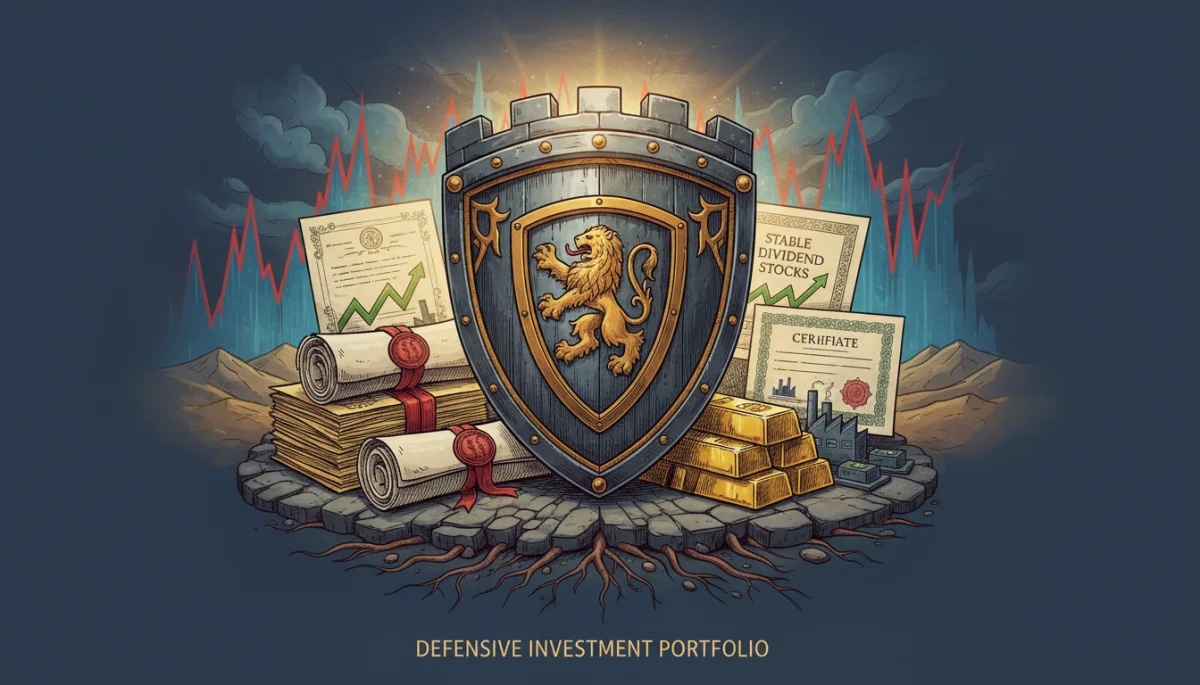
The goal of diversification is not to maximize returns in a bull market but to optimize risk-adjusted returns over the long term, especially during challenging periods. It is a continuous process that requires regular review and rebalancing to ensure it aligns with your risk tolerance and financial goals.
Income-Generating Assets: A Bear Market Buffer
During a bear market, capital appreciation can be scarce. This is where income-generating assets become invaluable. These investments provide regular cash flow, which can help offset potential declines in portfolio value and provide liquidity. For investors aiming to protect their portfolios while navigating bear markets in 2026, focusing on stable income streams is a smart move.
Income-generating assets can provide a steady return regardless of market sentiment, acting as a crucial buffer. This consistent inflow of cash can be reinvested, used to cover living expenses, or simply held as a safeguard against further market volatility. It shifts the focus from hoping for stock price appreciation to receiving predictable payments.
Types of Income-Generating Investments
Several types of assets are known for their income-generating capabilities, each with its own risk and return profile.
- Dividend Stocks: Companies with a long history of paying and increasing dividends, especially those in defensive sectors, can provide reliable income.
- Bonds: Government and high-quality corporate bonds offer fixed interest payments and are generally less volatile than stocks.
- Real Estate Investment Trusts (REITs): REITs invest in income-producing real estate and distribute a significant portion of their earnings as dividends.
- Preferred Stocks: These hybrid securities offer fixed dividend payments, often with priority over common stock dividends.
When selecting income-generating assets, it’s crucial to evaluate the issuer’s financial health and the sustainability of their payments. High yields can sometimes indicate higher risk, so due diligence is essential to ensure the income stream is reliable.
Incorporating income-generating assets into a defensive portfolio provides a dual benefit: a steady stream of cash and often, a degree of capital stability. This approach can significantly enhance a portfolio’s resilience during turbulent market conditions, helping investors maintain their financial footing.
The Role of Cash and Cash Equivalents
In a bear market, cash is king. Holding a strategic amount of cash and cash equivalents can provide several advantages, including liquidity, flexibility, and a psychological buffer against market volatility. While it may seem counterintuitive to hold cash when inflation is a concern, its role in a defensive strategy, particularly when navigating bear markets in 2026, is undeniable.
Cash provides optionality. It allows investors to capitalize on buying opportunities when asset prices are depressed, without being forced to sell other investments at a loss. It also offers a sense of security, knowing that a portion of your wealth is immune to market fluctuations, providing a stable base amidst uncertainty.
Strategic Cash Management
Deciding how much cash to hold depends on individual circumstances, risk tolerance, and market outlook. However, some general principles can guide this decision.
- Emergency Fund: Always maintain an emergency fund covering 3-6 months of living expenses in an easily accessible, low-risk account.
- Market Opportunity Fund: Consider setting aside additional cash specifically for investment opportunities that may arise during a market downturn.
- Short-Term Goals: Cash is ideal for funds needed in the near future, protecting them from market risk.
Cash equivalents, such as money market funds, short-term certificates of deposit (CDs), and U.S. Treasury bills, offer slightly higher returns than pure cash while maintaining high liquidity and low risk. These options can be a good compromise for investors seeking a balance between safety and modest returns.
While holding too much cash can lead to inflation erosion over the long term, a well-thought-out cash allocation is a powerful defensive tool. It provides the financial agility needed to navigate bear markets confidently, allowing investors to protect their principal and seize opportunities when they arise.
Alternative Investments and Hedging Strategies
Beyond traditional stocks and bonds, alternative investments and hedging strategies can play a crucial role in enhancing a defensive portfolio. These options often have a low correlation with conventional assets, providing additional diversification and downside protection, which is vital when navigating bear markets in 2026. They require a deeper understanding but can offer significant advantages.
Alternative investments include assets like gold, commodities, private equity, and hedge funds. Hedging strategies involve using financial instruments to offset potential losses in an existing investment. Both approaches aim to reduce overall portfolio risk and improve stability during volatile periods.
Exploring Alternative Assets and Hedging Tools
Incorporating alternatives and hedging requires careful consideration of their unique characteristics and potential complexities.
- Gold and Precious Metals: Often considered a safe-haven asset, gold tends to perform well during economic uncertainty and inflation.
- Managed Futures: These funds invest in various futures contracts and can profit from both rising and falling markets, providing diversification.
- Options and Futures: These derivatives can be used to hedge against potential stock market declines, though they involve higher risk and complexity.
- Inverse ETFs: These funds aim to deliver the inverse performance of a specific index or sector, profiting when the market goes down.
It’s important to approach alternative investments and hedging with caution. Many of these strategies are more complex and may have higher fees or liquidity constraints compared to traditional investments. Professional advice is often recommended to ensure these strategies align with your overall financial plan and risk tolerance.
By strategically integrating alternative investments and hedging techniques, investors can build a more robust and resilient portfolio. These advanced tactics offer additional layers of protection, helping to mitigate the impact of bear markets and preserve capital during challenging economic environments.
Long-Term Perspective and Emotional Discipline
While implementing specific strategies is crucial, perhaps the most powerful defensive tool an investor possesses is a long-term perspective combined with emotional discipline. Bear markets are inherently unsettling, and the temptation to make rash decisions based on fear or panic can be strong. However, history shows that markets eventually recover, and those who remain disciplined often fare better in the long run.
Maintaining a long-term view helps investors see beyond the immediate downturn and focus on their ultimate financial goals. It encourages patience and prevents knee-jerk reactions that can lock in losses. Emotional discipline is about sticking to your investment plan, even when market conditions are challenging and headlines are alarming.
Cultivating a Resilient Investor Mindset
Developing the right mindset is as important as selecting the right assets. Here are ways to foster emotional resilience during market turbulence:
- Revisit Your Financial Plan: Remind yourself of your long-term goals and why you made certain investment choices.
- Avoid Daily Market Watching: Constant monitoring can amplify anxiety. Focus on periodic reviews rather than daily fluctuations.
- Educate Yourself: Understanding market cycles and historical recoveries can provide reassurance during downturns.
- Seek Professional Advice: A financial advisor can provide objective guidance and help you avoid emotional decision-making.
Remember that bear markets are a natural part of the economic cycle. They offer opportunities for patient investors to acquire quality assets at lower prices. By focusing on your long-term objectives and resisting the urge to panic sell, you position yourself for recovery and future growth.
Ultimately, a strong defensive strategy combines thoughtful asset allocation with an unwavering commitment to your long-term vision. Emotional discipline ensures that even when the market is at its most challenging, you remain steadfast, allowing your well-structured portfolio to weather the storm and emerge stronger.
| Key Defensive Strategy | Brief Description |
|---|---|
| Diversification | Spreading investments across various asset classes to minimize risk. |
| Income-Generating Assets | Investing in assets that provide consistent cash flow, like dividends and bonds. |
| Strategic Cash Holding | Maintaining sufficient cash and equivalents for liquidity and opportunistic buying. |
| Emotional Discipline | Sticking to a long-term plan and avoiding panic-driven investment decisions. |
Frequently Asked Questions About Bear Market Strategies
A bear market is generally defined as a market decline of 20% or more from recent highs. It is characterized by widespread pessimism, negative investor sentiment, and often, a weakening economy. Understanding this definition helps investors recognize when defensive strategies are most critical.
Defensive stocks, typically from sectors like consumer staples, utilities, and healthcare, tend to be less volatile and often outperform the broader market during bear markets. Their products and services are essential, leading to more stable demand and earnings even during economic downturns.
Attempting to time the market by selling all investments before a bear market is extremely difficult and often leads to missing out on significant recovery gains. A more prudent approach involves diversifying, rebalancing, and employing defensive strategies rather than making drastic, all-or-nothing moves.
Bonds typically provide stability and income during bear markets. As interest rates may fall during recessions, bond prices can rise, offering a counter-balance to declining stock values. High-quality government and corporate bonds are often preferred for their safety and predictable returns.
It is advisable to review your defensive investment strategy at least once a year, or whenever there are significant changes in your financial situation or market conditions. Regular rebalancing ensures your portfolio remains aligned with your risk tolerance and long-term financial objectives.
Conclusion
Navigating bear markets in 2026 demands a strategic, disciplined, and proactive approach. By understanding the economic landscape, embracing diversification, prioritizing income-generating assets, maintaining strategic cash reserves, and considering alternative investments, investors can build a resilient portfolio. Coupled with a long-term perspective and emotional discipline, these defensive investment strategies provide a robust framework for preserving capital and fostering growth, even amidst market turbulence.
